

When clients come to me, two things are almost always on their minds: investing and saving for retirement. And for good reason—these are cornerstones of building wealth. If you’re not actively saving or investing, your money isn’t growing or working for you. But there’s another crucial piece of the puzzle that often gets overlooked: risk management, aka insurance planning. It might not sound exciting, but it’s just as important for protecting your financial future. So let’s explore how managing risks with insurance can actually boost your chances of reaching your long-term goals.
Before we dive in, I want to make one thing clear: I’m a flat-fee only financial advisor. I don’t earn commissions from recommending insurance products or any financial products for that matter, so when I talk about this topic, it’s because I genuinely believe it can be in your best interest to consider as part of your financial planning.
What Does Risk Management Mean in Financial Planning?
Life is unpredictable, and we’ve all probably seen how quickly things can change. While we can’t control everything, we can take steps to protect ourselves from the financial fallout of some of life’s curveballs. Insurance planning allows us to effectively transfer certain large financial risks to an insurance company, which can make all the difference when those unexpected events happen.
What Are Key Financial Risks to Manage?
I’m guessing you likely have the basic forms of insurance in place like health, auto, and home insurance. But let’s talk about some other broadly applicable and often neglected (or sub-optimized) types of insurance that can help safeguard your financial future:
Life Insurance:
If you’re married or have kids, it’s essential to plan for the unthinkable—what would happen financially if you or your spouse were to pass away? It’s uncomfortable to think about, but consider this: if you were taking home $100,000 a year and passed away at age 40, with 25 years left until retirement your family could miss out on $2.5 million of your future earnings (plus any raises along the way). Life insurance allows you to pay a relatively small premium now to protect your family from this devastating financial blow. And no, the life insurance you have through work probably won’t cut it. Most employer plans only cover one year’s salary, which is a fraction of what your family would need. Another important note is stay at home parents should have life insurance too since those responsibilities have significant value for a family, even if they technically don’t earn a pay check.
Long-Term Disability Insurance:
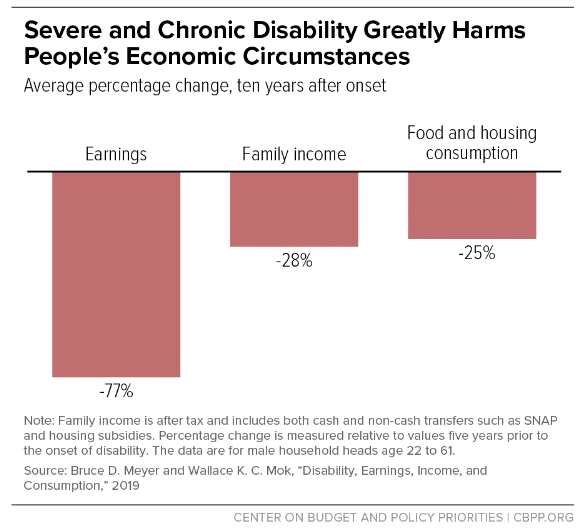
The Social Security Administration reports that 1 in 4 people will face a disability before they reach retirement. What would happen if you couldn’t work? Could your family keep up with the mortgage or continue saving for retirement and college? Most employer disability benefits only cover 60-80% of your income and Social Security Disability Insurance on average replaces only about 50% of earnings. This strongly points to the need for a supplemental individual disability policy to help you bridge the earnings gap, giving you the peace of mind to focus on recovery, not financial strain.
Umbrella Insurance:
This is an extra layer of protection that kicks in when policies like your regular auto or home insurance reach their coverage limits. Let’s say you’re in a car accident that is your fault, and the other person’s injuries cost $500,000. If your auto policy only covers a maximum of $300,000, you’re on the hook for the remaining $200,000. An umbrella policy covers that difference, saving you from that financial hit.
Other Insurance:
Business insurance and long-term care insurance are other types of policies to consider depending on your situation.
Protecting Your Future
Planning for worst-case scenarios isn’t fun, but it’s essential to keep your wealth building efforts on track. It may sound strange, but the goal is actually to never use these policies. We want the insurance companies to keep the premiums we pay because it means nothing bad happened. But having that safety net in place at a minimum offers peace of mind—and that’s priceless.
By taking steps now to manage these risks, you’re not just protecting your finances; you’re safeguarding your future and your family’s security. That’s an investment worth making.
Disclaimer: All written content is for informational purposes only. None of the information provided is intended as investment, tax, accounting, or legal advice, as an offer or solicitation of an offer to buy or sell, or as an endorsement of any company, security, fund, or other securities or non-securities offering. All information provided should be discussed with a registered advisor, accountant, or legal counsel prior to implementation. Opinions expressed herein are solely those of Sheer Empowerment Financial LLC (“SEF”), unless otherwise specifically cited. Presented material is believed to be from reliable sources and no representations are made by our firm as to another parties’ information accuracy or completeness.